
Uniting Australia's Brain Tumour Community
Brain Tumour Alliance Australia (BTAA) has spent years turning the collective voice of Australia's brain tumour community into tangible policy change. From building coalitions to shifting government narratives, this is the story of how BTAA secured landmark funding commitments across research, clinical care, and patient support.
For years, brain tumours have been quietly one of Australia’s most devastating cancer diagnoses, affecting not just the patients who receive them, but the families, carers, and communities left navigating an overwhelming and often fragmented system. Brain Tumour Alliance Australia (BTAA), Australia’s peak advocacy body for brain tumours, has been working to change that. Through coalition-building, evidence-led campaigning, and direct engagement with government, BTAA has turned the collective grief and determination of the brain tumour community into real, lasting policy wins.
Building a United National Voice
Recognising that fragmented advocacy limits impact, BTAA played a central role in establishing the Australian Brain Tumour Collaborative (ABTC), a unified framework bringing together approximately 12 or more national brain tumour organisations under a single, coordinated voice.
The Collaborative was built around three interconnected pillars, namely Research and Trials, Clinical Care, and Consumer Supports, with the goal of aligning efforts across these areas and amplifying the lived experience of patients and families in shaping research, policy, and care.
Its core objectives include:
- Identifying and addressing gaps in services and support for those impacted by brain tumours
- Promoting integration, partnerships, and information sharing across the national brain tumour sector
- Advocating for patient-centred solutions grounded in both evidence-based research and lived experience
- Pushing for sustained funding for research and clinical trials to accelerate better prevention, treatments, and care
Reframing the Conversation
One of BTAA’s most impactful strategic contributions has been changing the narrative around brain cancer in Australia. Brain tumours have historically been categorised as a “rare cancer” due to relatively low incidence rates, a label that has limited funding and policy attention for decades.
BTAA and the Collaborative challenged this framing by commissioning and championing one of the most comprehensive modelling studies on the burden and economic cost of brain cancers in Australia. This research demonstrated that despite lower incidence compared to other cancers, brain tumours carry a disproportionately high burden on patients, families, carers, the healthcare system, and the broader economy, due to the severity of the disease and the intensity of its treatments.
This shift in narrative has been central to unlocking greater government attention and funding.
Securing Government Commitments
Armed with evidence and a unified voice, BTAA has successfully advocated for concrete government investment across all three pillars of brain tumour care.
On the research front, the Australian Brain Cancer Mission 2.0 represents a landmark federal commitment of $200 million over 10 years to fund brain cancer research and clinical trials, driving better treatments and outcomes for future patients.
For clinical care, BTAA secured $8.75 million to deploy 23 Brain Cancer Care Coordinators (BCCCs) across Australia, ensuring patients have specialised support navigating their diagnosis, treatment, and ongoing care journey.
To address consumer supports, the alliance won $1.2 million per annum to fund a Brain Cancer National Advocacy Service, providing sustained support for patients, families, and carers at a national scale.
BTAA has been deliberate in presenting these three pillars as an interconnected whole, advocating for integrated investment rather than piecemeal requests, recognising that meaningful change requires action across research, care, and support simultaneously.
The National Brain Tumour Summit
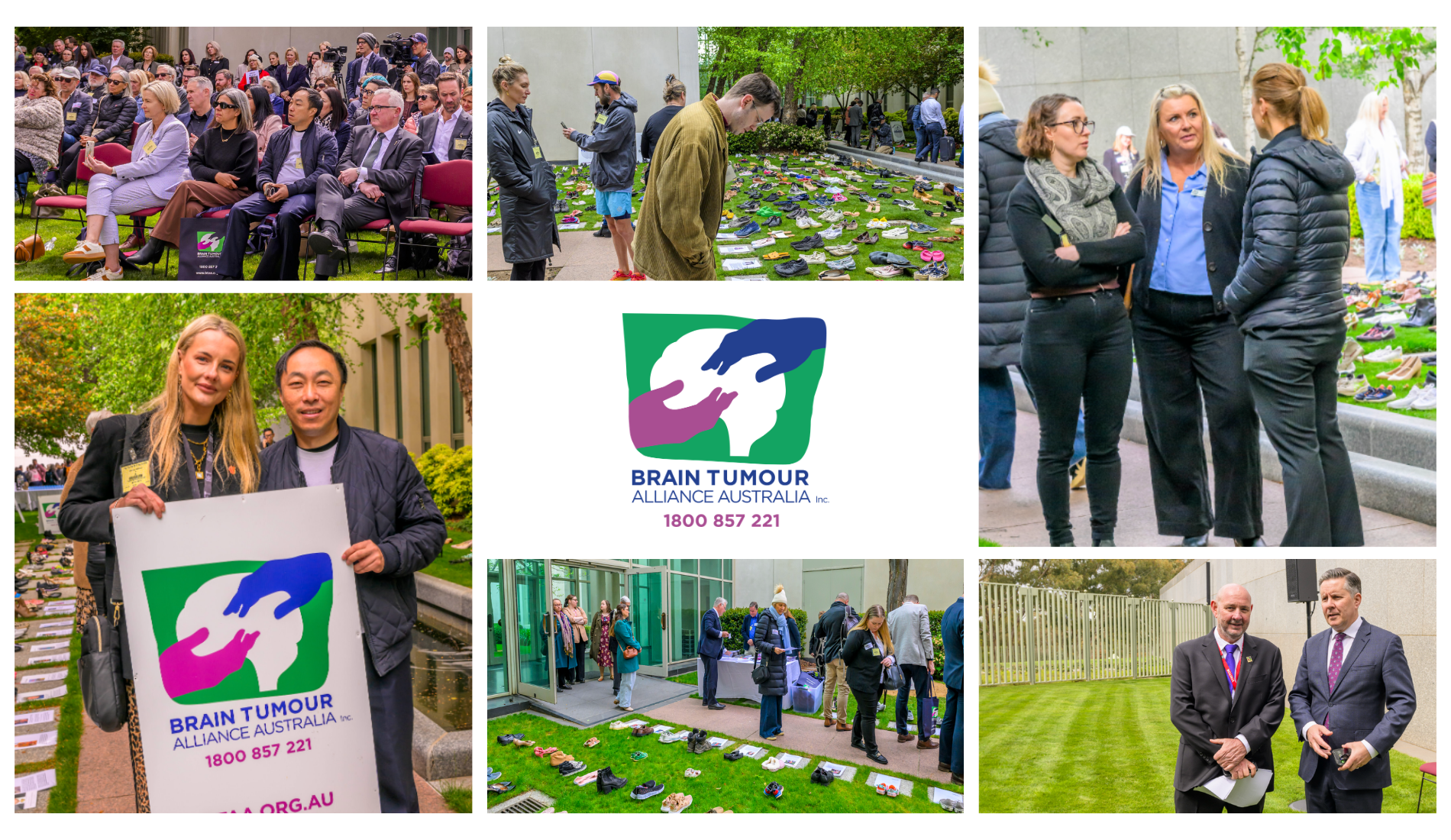
A cornerstone of BTAA’s advocacy work is the annual National Brain Tumour Summit, Australia’s largest annual gathering of brain tumour patients, carers, researchers, clinicians, advocates, and parliamentarians.
The Summit brings Australia’s brain tumour community together to provide a united voice to government about the inequities of brain tumour awareness and support. It offers patients and families a meaningful space to reflect on the impacts of the disease and honour loved ones lost, while giving the community a direct line to parliamentarians to share their stories and present clear funding asks across all three pillars of care.
The Summit has become a powerful platform for translating personal experience into policy change.
Looking Ahead
BTAA is currently undertaking a strategic restructure to ensure the organisation is fit-for-purpose in the evolving advocacy landscape, positioning itself for greater impact in the years ahead.
As a member of the Asia Pacific Brain Tumour Alliance, BTAA’s work demonstrates what sustained, evidence-based, and community-led advocacy can achieve, offering a model of collective action that continues to inspire efforts across the region.
This article was prepared for the Asia Pacific Brain Tumour Alliance’s “Our Collective Work” series, based on BTAA’s presentation at the IBTA World Summit, Rome 2025.