
Why Better Brain Tumour Data Matters for Asia Pacific
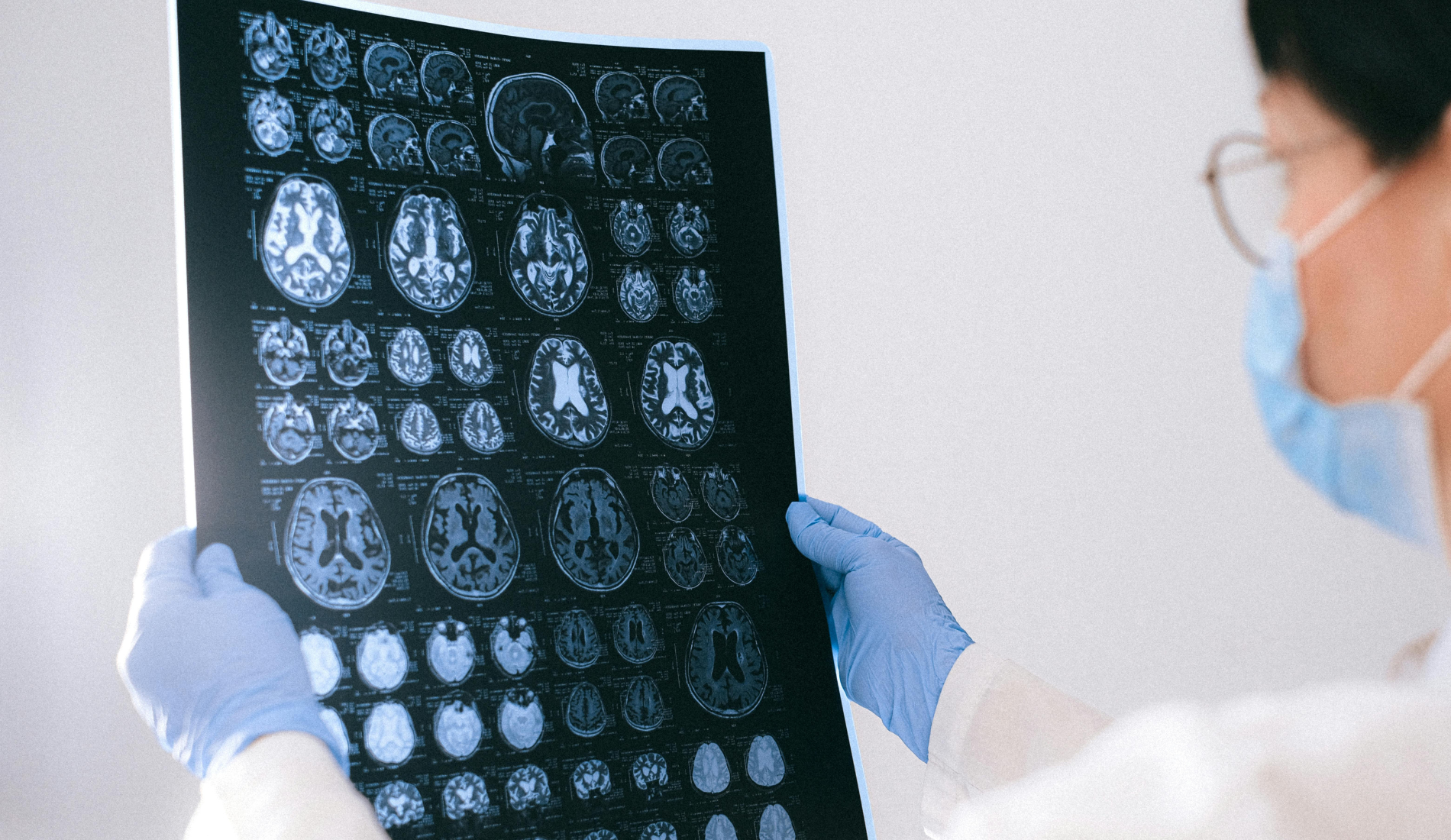
In this guest piece, James Buckley, Evidence Strategy Lead at the Patient Advocacy Centre of Excellence, IQVIA Global Public Health, highlights why robust brain tumour data and registries are critical across the Asia Pacific region. Writing from an accessible and patient-centred perspective, James outlines how stronger regional evidence foundations are essential for transforming care and improving outcomes for brain tumour patients. He explains that these foundations must include clinical data, patient-reported experiences, molecular testing, and advanced analytics.
A brain tumour diagnosis changes a life quickly. For many patients and families, it brings fear, uncertainty, difficult decisions and an urgent need for specialist advice. Across Asia Pacific, that journey can look very different depending on where a person lives, which hospital they reach, whether molecular testing is available, and whether they can access the expertise, treatment, trials and support they need.
These differences are often known by patients, families and clinicians. A sample may need to be sent overseas because local testing is unavailable. A patient may wait too long for a diagnosis. A family may struggle with travel costs, lost income or limited information. A clinician may know that better treatment decisions are possible, but lack the local infrastructure to support them. Yet much of this remains scattered across individual stories, hospital records and professional experience.
Better data can help make these patterns visible.
For brain tumour care, data is more than a technical asset. It is a way of asking better questions. Who is being diagnosed, and when? Which tumour types are being seen across the region? Where is molecular testing available? Which patients are receiving precision medicine, and which are missing out? Where are clinical trials accessible? What happens after treatment begins? Which symptoms, delays, costs and care burdens are patients and families carrying?
Answering these questions requires strong clinical information. Diagnosis, tumour type, treatment history, molecular markers, outcomes and care pathways all matter. Without these details, it is difficult to understand the disease properly, compare experience across settings, or support research that reflects real clinical practice.
But clinical data alone gives an incomplete picture. Patients and families also hold essential evidence. They can describe symptoms that disrupt daily life, the time taken to reach a diagnosis, the emotional and financial burden of care, the experience of travelling for treatment, the difficulty of finding specialist advice, and the support that is missing after discharge. These experiences are part of the evidence base. They show where health systems work, where they fail, and where change is most urgently needed.
The Asia Pacific Brain Tumour Alliance is exploring practical ways to strengthen this evidence foundation across the region. One early step is the development of a standardised brain tumour data dictionary or minimum dataset: a shared language for collecting comparable information while allowing countries and centres to govern their own data locally. Another is the creation of a brain-tumour-specific molecular tumour board, where clinicians from different countries can discuss selected anonymised cases and share expertise, particularly where local access to molecular testing or precision medicine is limited.
This approach is best understood as ‘federated readiness’. Each country has its own health system, laws, resources, clinical pathways and patient communities. The purpose is to help local efforts become more comparable, useful and ethically governed, so that they can contribute to regional learning when appropriate. Shared standards can make collaboration easier. Patient leadership can help ensure the right questions are asked. Clear consent and governance can protect trust.
New technologies may eventually help accelerate this work. Artificial intelligence and real-time analytics could help identify patterns across large amounts of clinical and patient-reported information. But these tools are only useful if the underlying data is accurate, representative, responsibly governed and linked to questions that matter. The future of brain tumour evidence will depend as much on trust and quality as on technology.
For APBTA, the opportunity is to help turn experience into evidence, and evidence into action. Better brain tumour data can support research, strengthen advocacy, improve access to testing and treatment, and help patients, families, clinicians, funders and health systems see where need is greatest.
The work begins with a simple commitment: to learn from patients and clinicians across Asia Pacific, and to build the shared evidence foundations needed for better care.